As Head of Engineering, my world revolves around logic, structure and tangible outcomes. My calendar is a zero-sum game and my tolerance for meetings that lack a clear purpose is low. So when a full-day “Leadership Team Alignment Workshop” appeared on my schedule, I was skeptical.
I’d been to this kind of thing before. They can devolve into abstract conversations that generate more buzzwords than breakthroughs.
I also knew we were at an inflection point.
- Rapid growth meant the subtle frictions of misalignment were starting to feel less subtle.
- Decisions that should have been straightforward were bogging down.
- Cross-functional initiatives felt heavier than they should.
- The way our leadership team operated was no longer sufficient for the complexity we now faced.
We needed to evolve.
As Patrick Lencioni writes in The Five Dysfunctions of a Team:
If you could get all the people in an organization rowing in the same direction, you could dominate any industry, in any market, against any competition, at any time.
We weren’t just rowing in different directions. Some of us were in different boats.
What began to shift my skepticism was the preparation.
Our Chief of Staff, who organized the workshop with an external facilitator, sent out a pre-read document outlining a clear, logical framework. We’d define our team’s purpose by articulating our Why, our How and our What.
It was an engineer’s approach to an organizational problem - deconstruct a complex challenge into core components. Structured. Methodical. It gave me hope that this wouldn’t be a day of talking, but a day of building.
Table of contents
Open Table of contents
Finding Our True North: The “Why”
The first session was dedicated to the most fundamental question: Why do we, as a leadership team, exist?
The process was deceptively simple. Five minutes of silent individual reflection, jotting down thoughts on post-it notes. Then small groups to share, discuss and cluster the ideas into common themes.
As the groups posted their clusters on the wall, the raw data of our collective thinking began to form a coherent picture. Vague, individual frustrations coalesced into clear, shared principles.
Two dominant - and seemingly contradictory - roles emerged.
The first was our function as a Bridge or Funnel. Post-its with phrases like “Bring Clarity to Exec Vision” and “Translate strategy to operations” spoke to cascading information top-down.
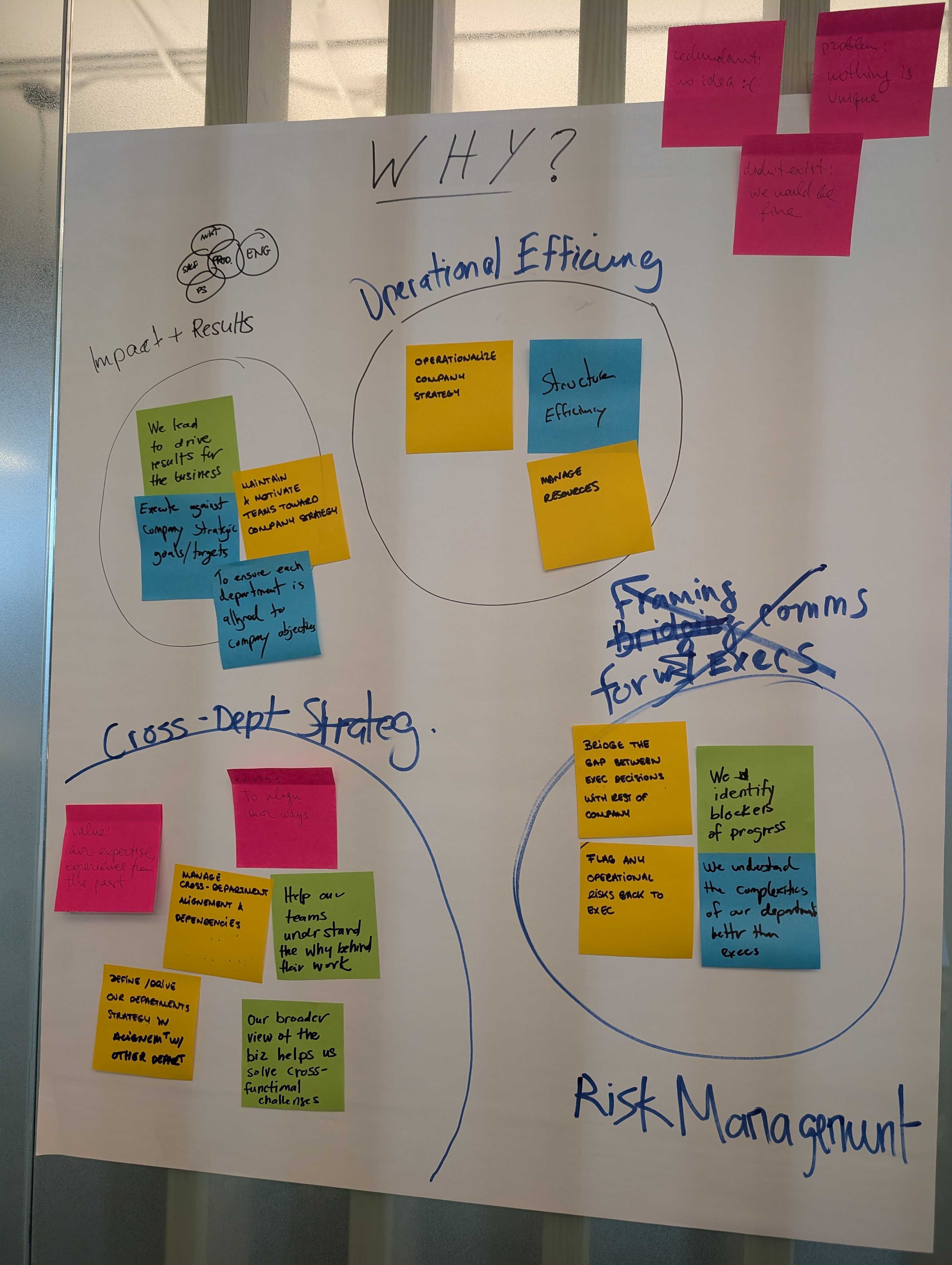
At the same time, notes about “Surfacing problems from IC levels to Execs” and “Bubble up issues” highlighted our responsibility to channel critical information bottom-up. We were the central nervous system of the company - signals flowing freely in both directions.
The second theme was more proactive: Catalyst and Challenger. Not just relaying messages, but actively sharpening the executive thinking and acting as agents of change.
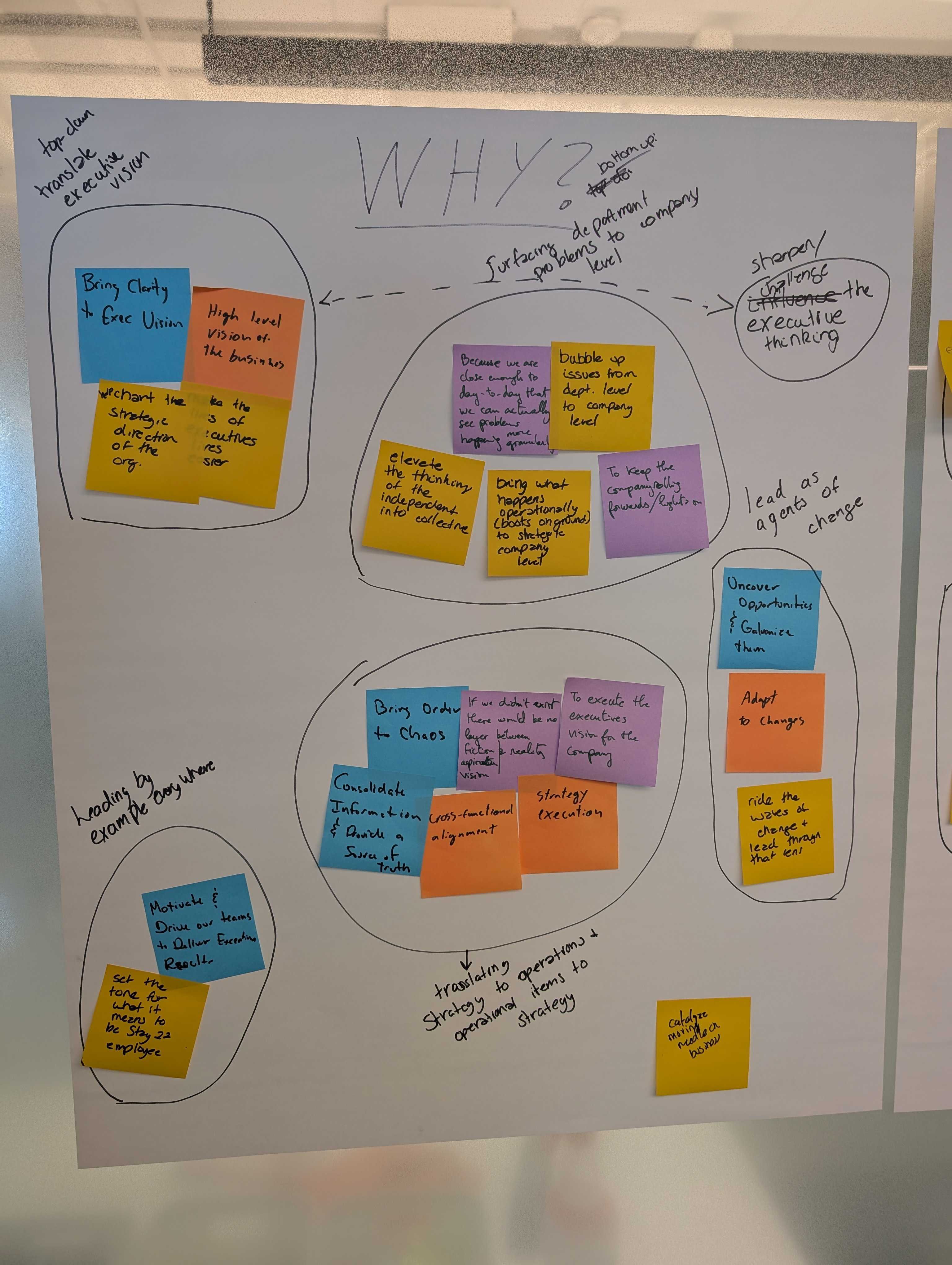
We exist to catalyze results and uncover opportunities. Not a passive role - it was about stress-testing and improving the company’s strategy.
Our purpose wasn’t one-dimensional. We were being asked to be both a stable bridge and a provocative challenger. Navigating that tension is where our real value lives.
The exercise was about uncovering the essential truth of our function, the way Ray Dalio puts it in Principles:
Truth - or, more precisely, an accurate understanding of reality - is the essential foundation for any good outcome.
Engineering Our Approach: The “How”
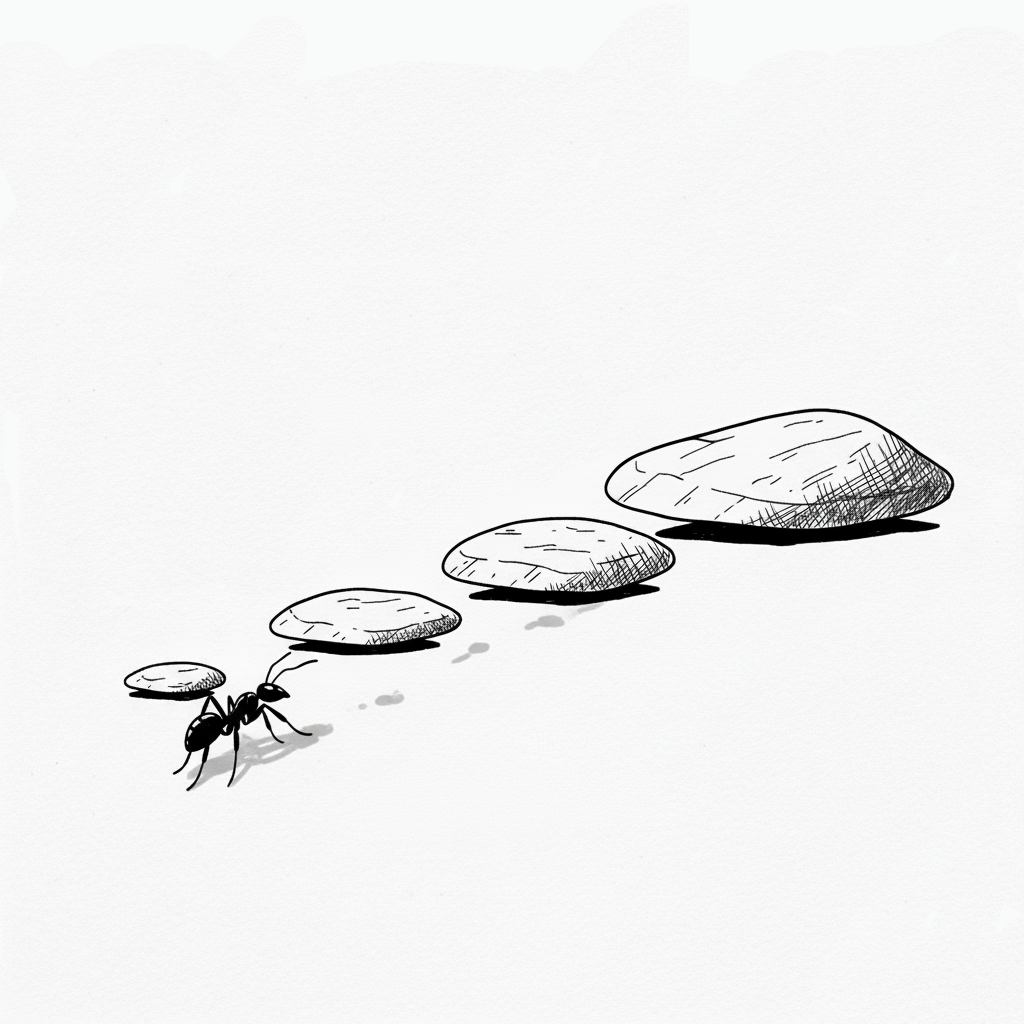
If the Why was about discovering purpose, the How was about designing the engine to achieve it. For me, this is where the workshop came alive.
How do we actually work together to fulfill the Why we just defined?
We realized we needed a solid foundation before a process. We had to define the principles that would govern our interactions. Shared Leadership Principles. Ground rules for how we show up.
The most critical, bluntly written on a post-it, was “Not being ICs”. Drop the departmental hat at the door. Adopt a company-level perspective. That’s the bedrock - without it, any process we built would crumble under siloed thinking.
With that foundation in place, we designed a framework. A repeatable, scalable protocol for how we tackle any topic, challenge or idea that comes before us. Not a list of vague values - a process.
Here’s how it works.
Step 1: Signal & Spark. The entry point. Anyone bringing an issue must come with a call to action. You don’t show up with a problem - you show up with a perspective, having done the pre-work. It establishes ownership from the start.
Step 2: Dive & Explore. Once a topic is on the table, we commit to understanding its full context. Explore implications. Assess LOE to outcome. Due diligence - understand the second and third-order consequences of any potential decision.
Step 3: Push & Challenge. This is where we elevate the conversation. Explicit mandate to challenge each other, to kill assumptions, to pursue the best possible answer. Psychological safety to ask the tough questions.
Step 4: Commit. After rigorous debate, we align. One-team mindset. Our version of disagree-and-commit. Once a decision is made, we leave the room united.
As Lencioni notes:
Great teams make clear and timely decisions and move forward with complete buy-in from every member of the team, even those who voted against the decision.
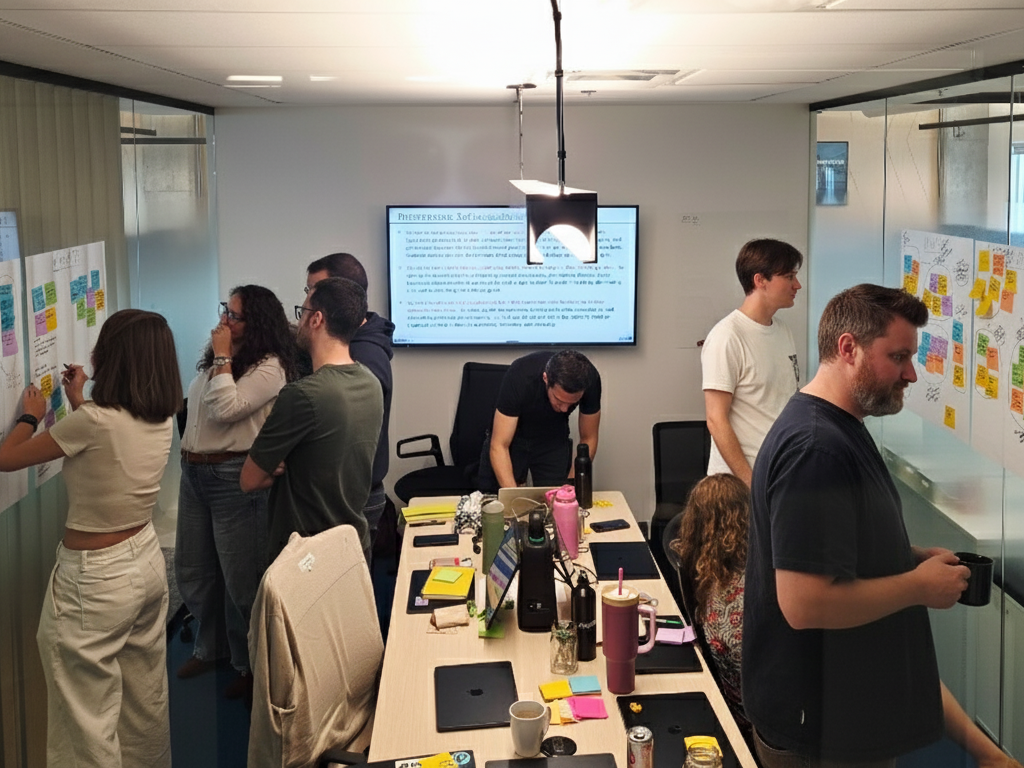
This entire framework sits on the Shared Leadership Principles. In that room, we are not the Head of Engineering or the Head of Marketing. We are leaders of Stay22, responsible for the health of the organization.
The system is designed to build trust and make conflict productive. It structures debate to be about ideas, not egos. As Dalio writes:
it is okay to make mistakes but unacceptable not to identify, analyze and learn from them.
Defining the Destination: The “What”
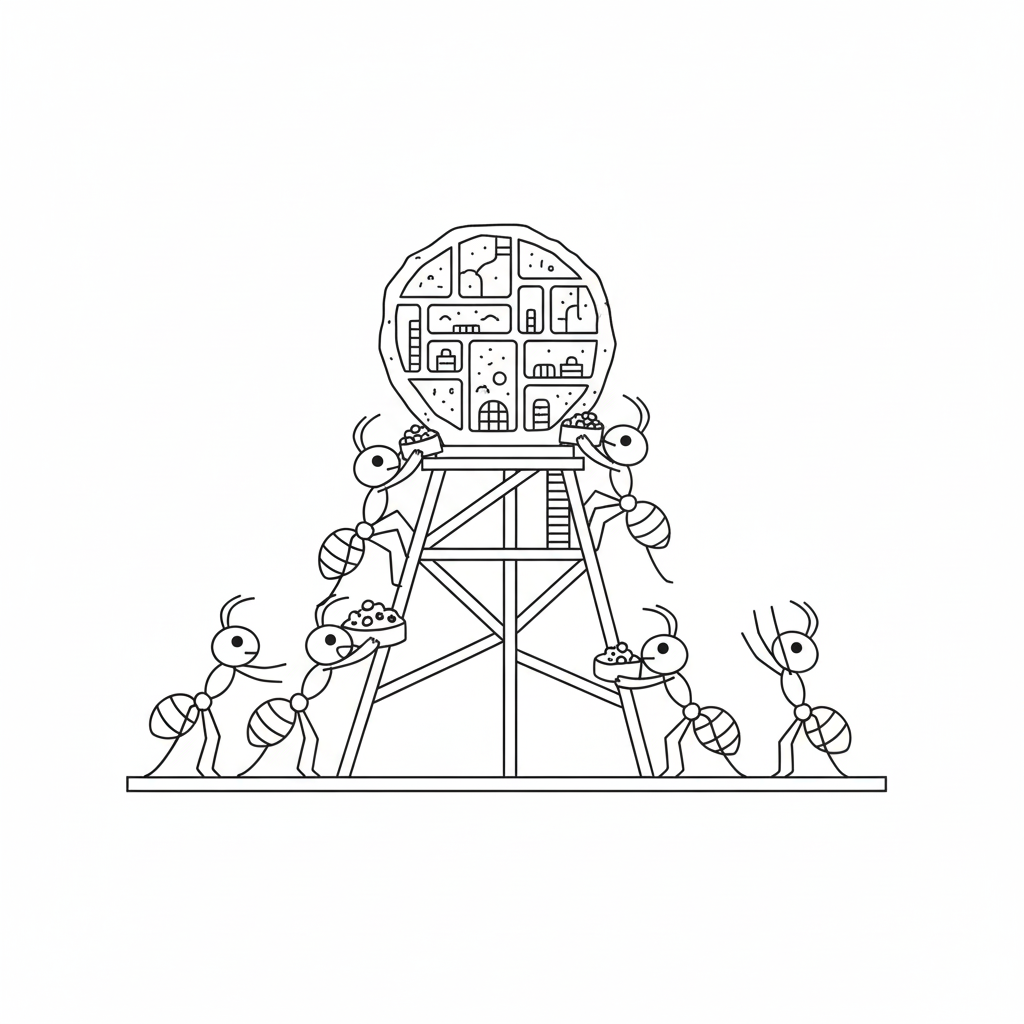
With our purpose defined and our operating model designed, the final piece was the destination.
- What is the tangible impact of our work?
- What are the concrete outcomes we are committing to deliver?
The What session grounded our abstract purpose in business reality.
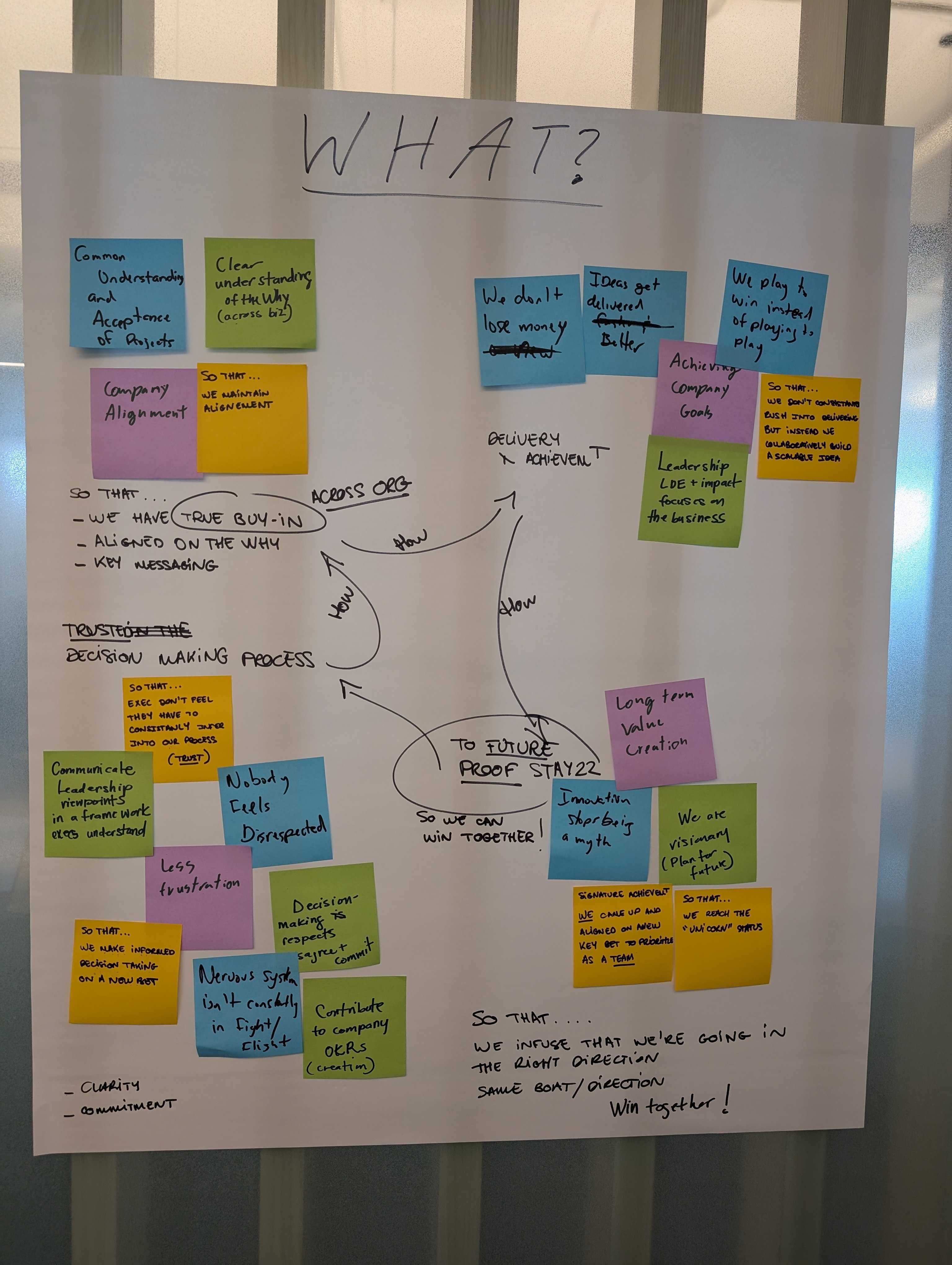
First was Organizational Health. We’re responsible for “True buy-in” and “Company Alignment” so that leaders and execs act as one. Beyond departmental silos, toward a unified culture where everyone understands the mission and their role. Less frustration. Fewer people feeling disrespected.
Second was Decision Velocity and Quality. Better decision-making through clarity and commitment. Tangible outputs like clear and committed quarterly OKRs that don’t get changed mid-flight, so teams can execute with focus.
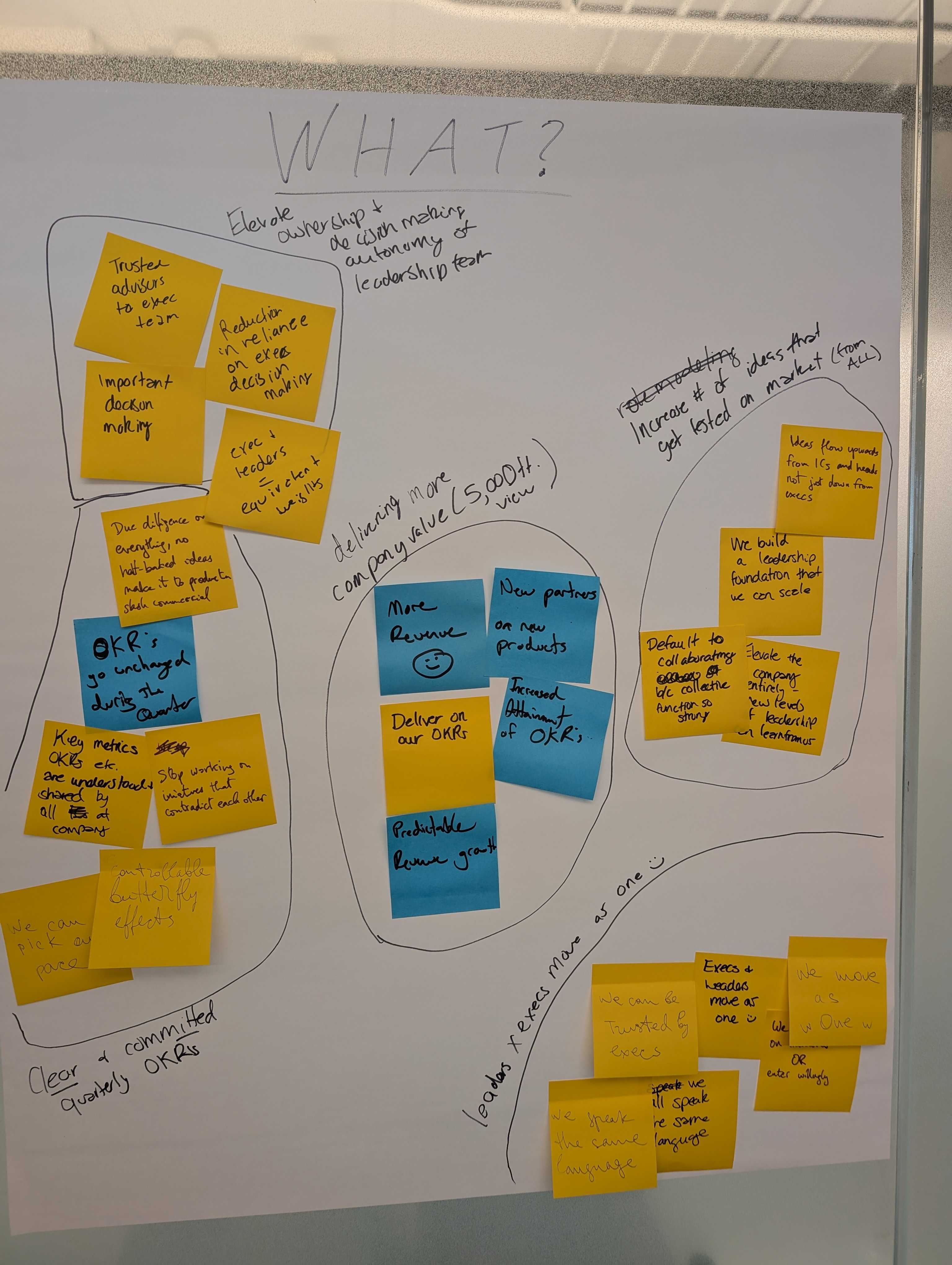
Finally, Business Impact. Our work has to translate into value. Delivering more company value. Predictable revenue growth. More ideas tested in the market. Building a launchpad of foundations we can scale.
All of it laddering up to one overarching goal: future-proof Stay22 through long-term value creation.
Looking at the wall, I saw that our role is to manage the inherent tension between stability and innovation. We have to deliver on OKRs today while building the new products and partnerships that define tomorrow. We are the stewards of that strategic balance.
As Jocko Willink puts it:
…it’s not about you… it’s about the mission and how best to accomplish it
Distilling Chaos into Clarity
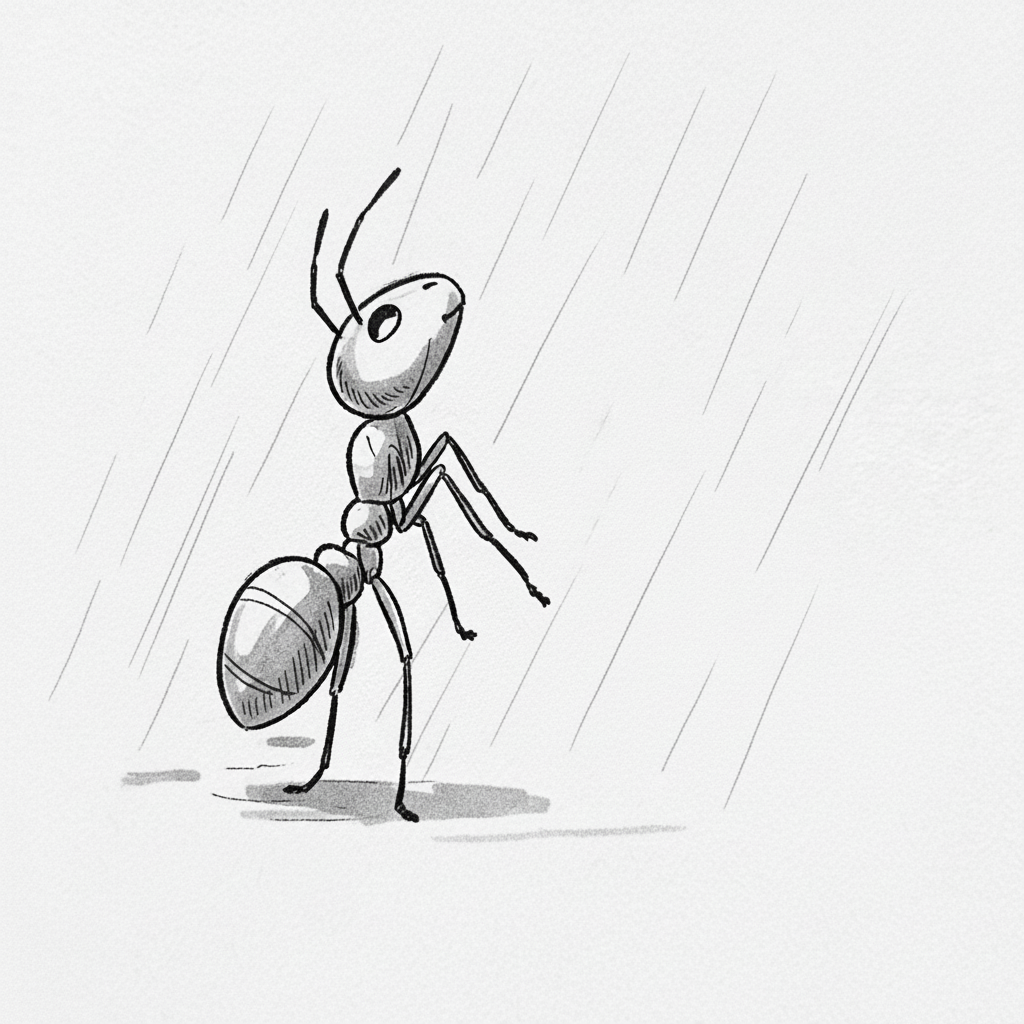
The final challenge was the hardest: synthesize a room full of ideas, debates and hundreds of post-its into one purpose statement.
The ultimate engineering problem - compress immense complexity into a simple abstraction.
We broke into pairs to take a first pass. My group drafted something direct and action-oriented: “We exist to drive results and accelerate performance by operating as one team that challenges assumptions and provides clear accountability, so that we improve decision-making, achieve our goals and future-proof the business”.
Other pairs came back with different angles. Some focused on the bridge metaphor from the Why session. Others emphasized our role in complementing executive vision and validating new ideas.
The magic happened when we brought the drafts together. A collective edit. The bridge metaphor was powerful but felt too passive. Complementing the executive vision was crucial - it positioned us as partners, not rivals, a strategically vital nuance.
We debated words, refined phrases and a unified statement emerged.
We landed on:
We exist to lead by example and challenge the vision by surfacing and validating bold ideas into clear, outcome-driven execution, so Stay22 runs on trusted decisions that deliver results and future-proof the company.
This statement is our charter. It captures the duality of our Why (complement and accelerate), the core of our How (sharpen perspectives, challenge assumptions, act as one team) and the ultimate impact of our What (alignment, clarity, trust, confidence).
The First Step, Not the Last
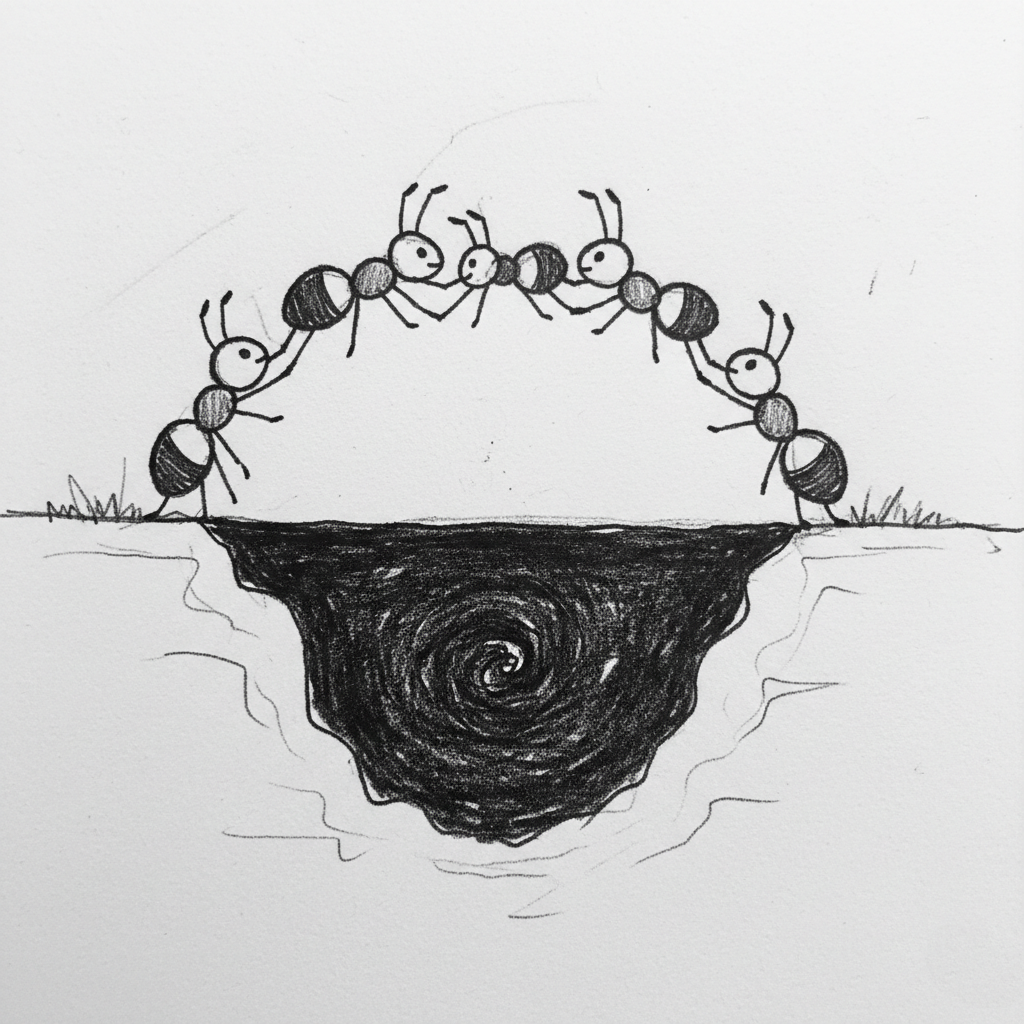
I walked into that workshop a skeptic. I walked out convinced. The difference was a well-designed, well-facilitated process that respected our time and channeled our collective energy toward a concrete outcome.
Alignment isn’t a soft skill. It’s a strategic imperative that can be engineered.
The workshop wasn’t the destination. It was the starting line. The purpose statement isn’t a trophy to hang on the wall. It’s a blueprint to build from.
Our next steps:
- Refine the statement based on final feedback.
- Prepare a formal proposal to the Executive team.
- Begin the detailed work of defining specific roles, responsibilities and working norms.
The real test begins now.
Can we live up to the standards we’ve set? Can we operate as one team, challenge each other constructively and hold ourselves accountable for the outcomes we defined?
I believe we can. We have a shared language and a clear framework. We have alignment.
The path won’t be perfect. We’ll iterate and improve. That’s a process I understand. As Philip Tetlock writes in Superforecasting:
Try, fail, analyze, adjust, try again
Our purpose statement is the best hypothesis for how this leadership team can help Stay22 win. Now it’s time to test it.