Saturday afternoon. You’re armed with an Allen key, a set of instructions that might as well be written in ancient runes and a flat-pack bookshelf that looks nothing like the picture on the box.
Your kids - your “team” - are offering the kind of help that involves losing screws and drawing on the manual.
Controlled chaos. Shifting requirements. A highly unpredictable team.
If that feels familiar to anyone who’s managed a high-pressure engineering sprint, you’re not alone.
That chaotic living-room floor is a microcosm of modern tech leadership. This realization is the heart of Dad-Ops - a leadership philosophy that argues the best way to manage the complex, data-driven world of engineering is to apply the simple, human-centric principles of being a good parent.
This isn’t about being paternalistic. It’s recognizing that nurturing growth, resilience and autonomy is the most effective way to build teams that last.
The state of engineering in 2025 is shaky. A staggering 68% of engineering managers reported burnout in the last year, thanks to a combination of staff shortages, hybrid work adjustments and a shaky economy.
It’s worse for developers. Recent Stack Overflow surveys suggest up to 90% of developers are unhappy, with one in three actively disliking their job. They’re drowning in technical debt, crushed by hustle culture and stuck in corporate bureaucracy.
The old way of managing for pure velocity is breaking people.
We need a more sustainable approach. Five principles, borrowed from fatherhood. Not soft skills - strategic, data-backed imperatives for building teams that don’t just perform, but last.
Table of contents
Open Table of contents
Principle 1: Be the “Umbrella Parent”
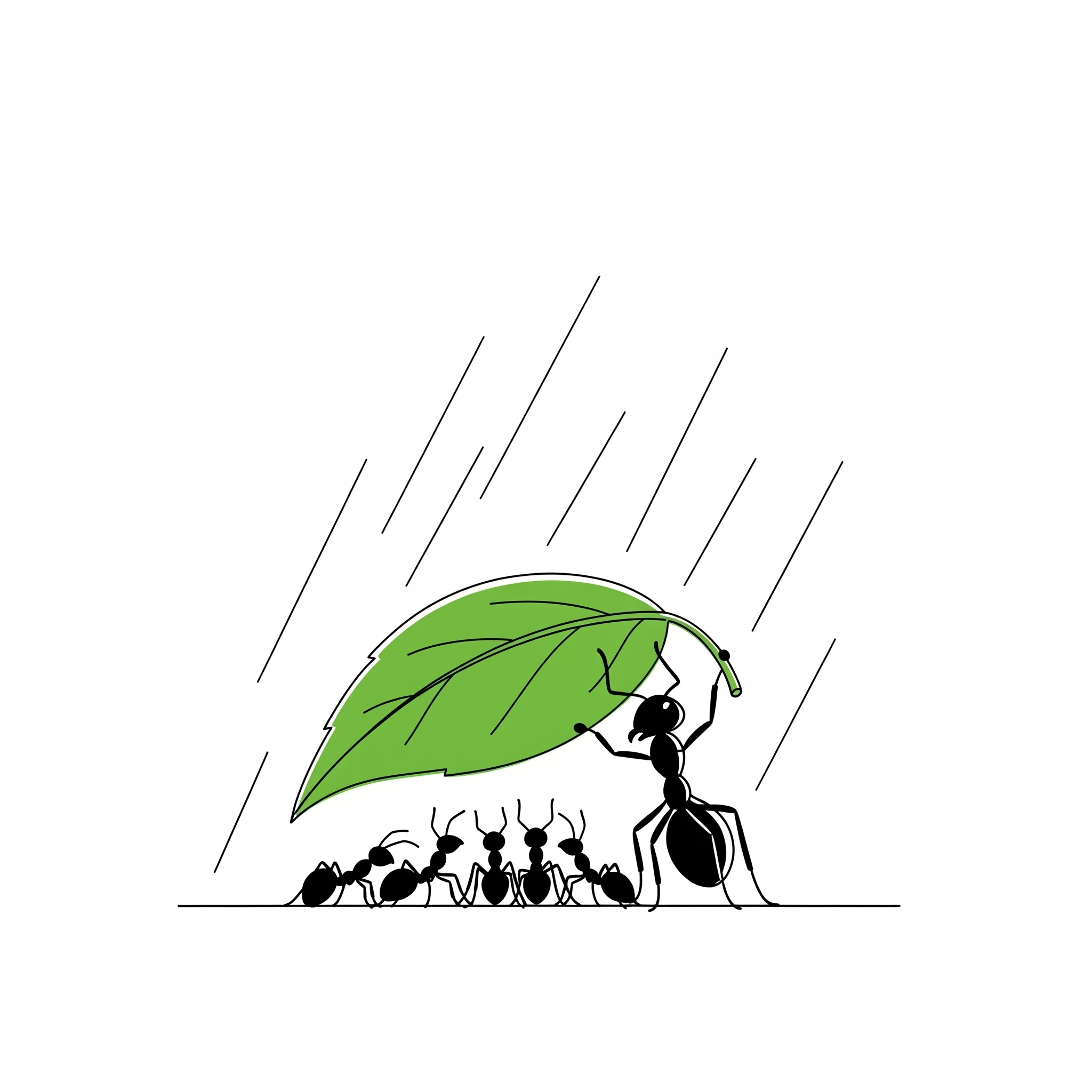
Picture a father walking with his child in a sudden downpour. His first instinct is to hold the umbrella over his child, even if it means he gets soaked.
He doesn’t eliminate the storm. He creates a protected space.
This is one of a leader’s most critical and most overlooked jobs.
Your role is to be the umbrella.
In the workplace, the storm is organizational chaos:
- pressure from executives
- shifting stakeholder demands
- budget cuts
- corporate politics
A manager’s job is to absorb the storm and create psychological safety for the team. This isn’t being nice or avoiding accountability. It’s creating a culture of rewarded vulnerability - a space where an engineer feels safe enough to take a risk, ask a “dumb” question, admit they broke the build or challenge a senior engineer’s design without fear of being humiliated or punished.
Teams that have this are not just happier. They’re measurably better at innovating and solving problems.
How to be the umbrella:
-
Pressure flows downhill. It starts in the boardroom and ends on your engineer’s laptop. Your job is to stand in the middle of that waterfall. Absorb the ambiguous requests, negotiate realistic deadlines, filter out the noise. Distill the chaos into a clear, manageable set of goals the team can actually achieve.
-
You can’t demand psychological safety - you have to model it. Be the first to admit you don’t know something. Be the first to own a mistake. When you show it’s okay to be imperfect, you give your team permission to do the same.
-
Things will break. Deployments will fail. The leader’s reaction defines the culture. Focus on the process, not the person. Run blameless postmortems that ask “what and how”, not “who”. A moment of failure becomes a lesson instead of a seed for a culture of fear.
Without this shield, you create an invisible tax on every interaction.
Good ideas go unspoken. Bad ideas go unchallenged. Early warnings are ignored because everyone is too afraid to speak up.
A manager who fails to build this shield isn’t just being unsupportive. They’re actively suppressing their team’s talent and paving the road to burnout.
Principle 2: The Art of Patient Observation
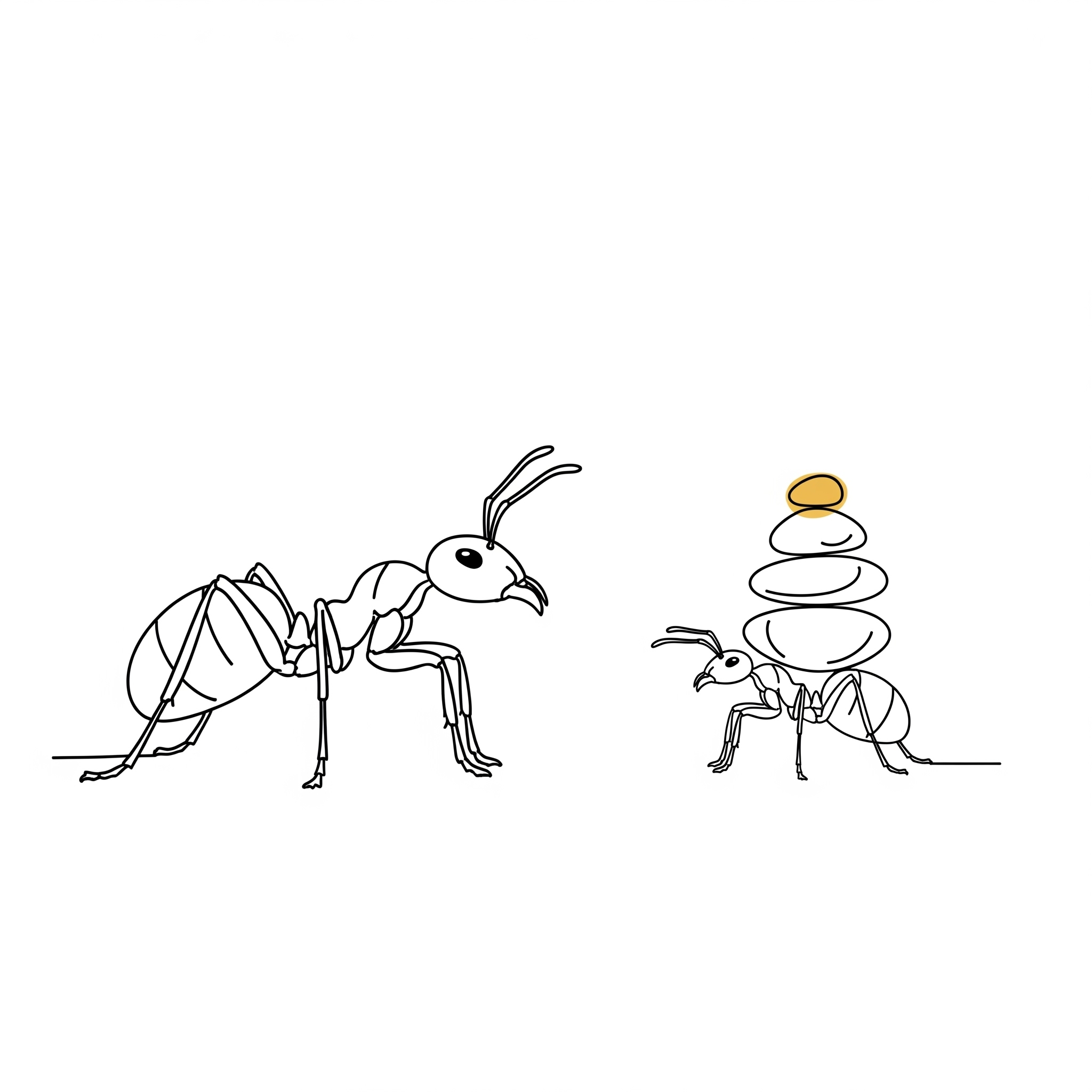
Ever watched a toddler get furious at a collapsing block tower? The impatient parent rushes in, grabs the blocks and builds it “the right way”. The task gets done. The child learns nothing except that they can’t do it themselves.
The Dad-Ops parent does something different. They sit with the child in their frustration. They watch. They ask questions. “What happens when you put that big block on top?” They let the child discover the solution on their own.
The difference between reactive direction and strategic diagnosis.
In management, this is active listening and strategic patience.
Active listening isn’t waiting for your turn to talk. It’s a diagnostic tool for understanding the real problem before jumping to a solution.
Patience isn’t a virtue. It’s a performance multiplier. Impatient leaders fracture relationships and make hasty decisions that almost always create technical debt.
How to practice patient observation:
- Become a master listener. It’s a skill you can learn.
- Put your phone away. Close your laptop. Give the person your full focus.
- The goal is to understand, not to critique.
- Confirm what you heard: “So, what I’m hearing is…”.
- Ask open-ended questions: “Can you tell me more about that?”
- Briefly restate the key points.
- Only after all of the above should you offer your perspective.
-
In your next 1:1, wait a full three seconds before responding. This stops you from interrupting and gives the other person space to finish. It feels weird. It’s powerful.
-
“Why is this late?” puts people on the defensive. “What obstacles are getting in our way?” invites collaboration. A small change in language transforms a conversation from blame to problem-solving.
Impatience creates a vicious cycle. It leads to rushed decisions, which creates technical debt.
Working in a codebase full of tech debt is a top driver of developer burnout.
Burnout leads to missed deadlines, which fuels more impatience and the cycle continues. Patience isn’t about moving slowly. It’s about making sure you’re moving forward sustainably.
Principle 3: Let Them Scrape Their Knees
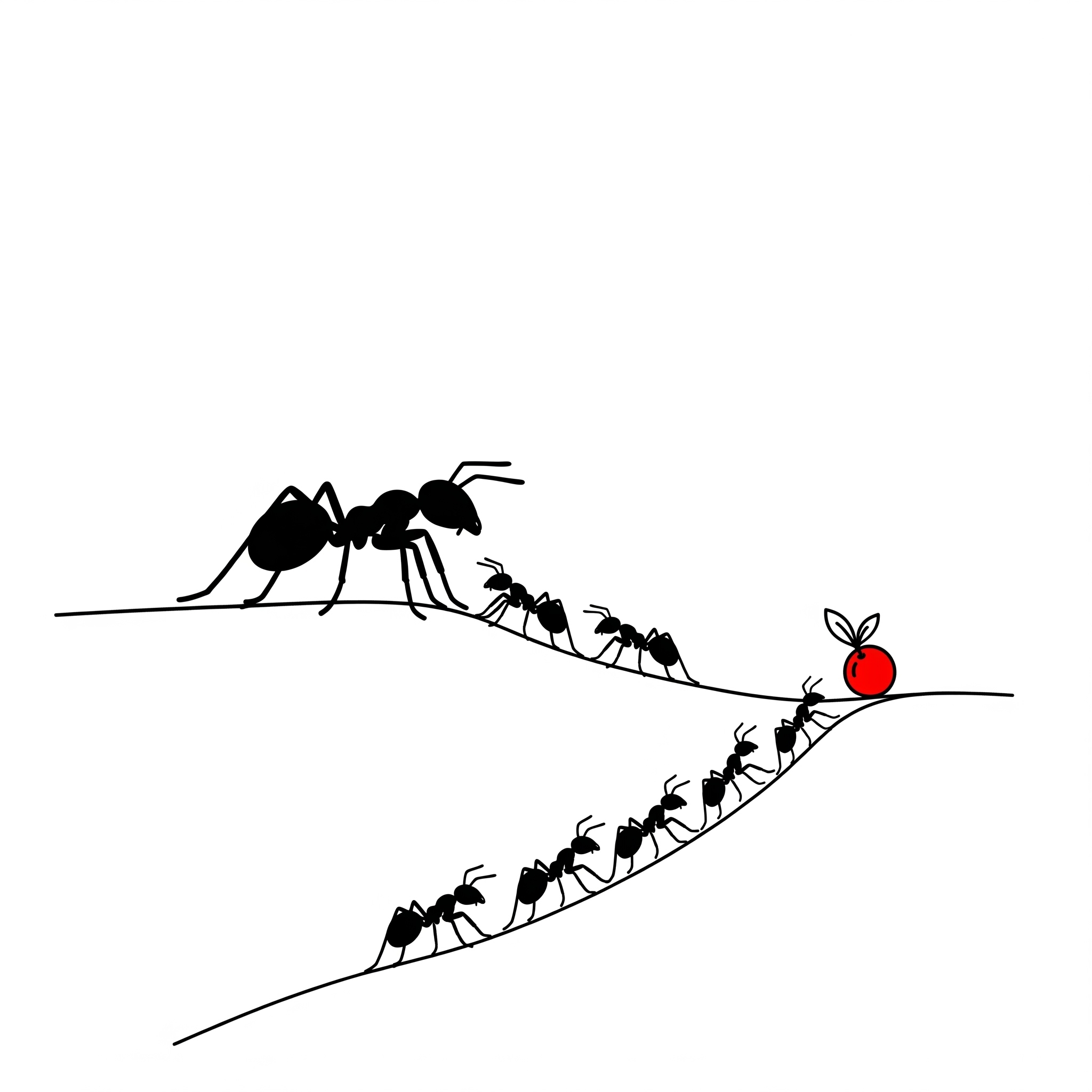
Remember learning to ride a bike? There’s a terrifying, exhilarating moment when the parent has to let go of the seat. The child will wobble. They will probably fall. They might scrape a knee. That moment of letting go is where the real learning happens.
Trial, failure, getting back up. That’s how a child builds the skill and confidence to ride.
The opposite is micromanagement and it’s poison to an engineering team.
60% of employees report being micromanaged. Of those, 55% said it hurt their productivity. 70% said it crushed their morale.
For an industry with a talent shortage, this next number is a killer:
40% of people have changed jobs to escape a micromanager.
The antidote is empowered autonomy. Don’t abandon the team. Shift from delegating tasks to delegating outcomes.
Give them the destination and trust them to draw the map.
This is especially critical for retaining senior engineers, who are driven by the freedom to solve complex problems their own way.
How to let go of the bike seat:
-
Provide crystal-clear context. What is the goal? Why does it matter to the business? Once that’s clear, step back. Let the engineers figure out the best way to build it. They’ll come up with better solutions and feel a powerful sense of ownership.
-
Frame guidance as an apprenticeship, especially with junior engineers. Define the areas where they have authority to decide. When they make a mistake, treat it as a coaching moment, not a failure. As they grow, intentionally expand their scope.
-
Resist the urge to jump in and solve. The most helpful managers watch, listen and let their people struggle a bit first. Help is most appreciated after someone has wrestled with a problem. Intervening too early reads as lack of trust.
Micromanaging senior engineers is one of the fastest ways to destroy a high-performing team. It creates the Dead Sea Effect - the most talented people evaporate, leaving a more concentrated pool of mediocrity behind. The best engineers have the most options. They leave. The engineers with fewer options stay. Over time, your team’s average talent level drops, all because you couldn’t let go of the seat.
Principle 4: The Chore Chart Principle
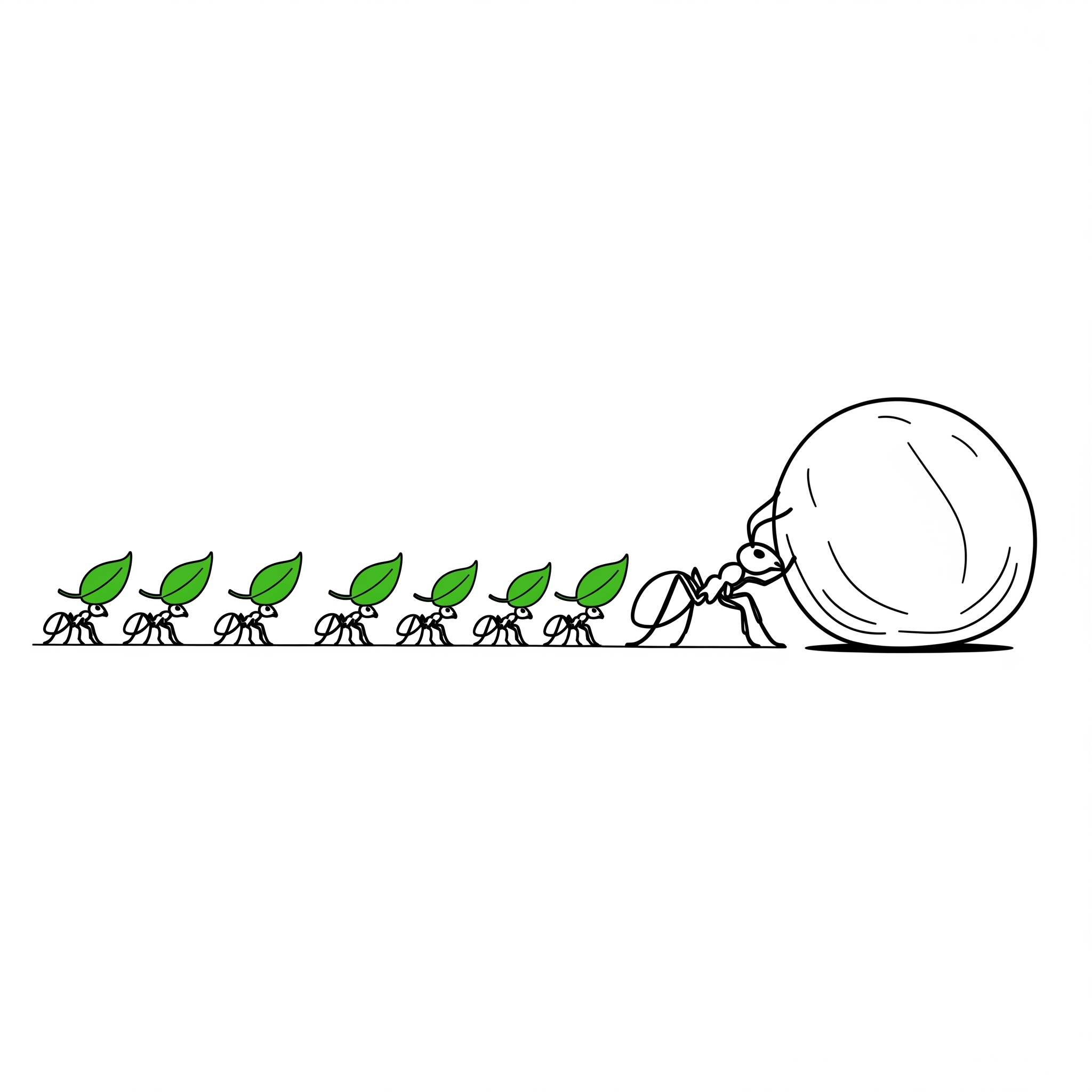
There’s a strange magic to a simple chore chart on a refrigerator. A kid who complains about cleaning their room will suddenly do it with enthusiasm for a single gold star. The star has no cash value. Its power is immense. It makes progress visible. Effort feels acknowledged. Momentum builds.
This household tool illustrates one of the most powerful findings in workplace psychology: the single most powerful motivator at work is making consistent, meaningful progress - even small wins.
Those small wins fuel our “inner work life” - the daily mix of emotions and motivations that drives performance.
When we feel like we’re moving forward, we’re more creative, productive and engaged.
It even triggers a dopamine hit that makes us want to earn the next win.
A manager’s job is to be a catalyst for that progress by removing obstacles - and a nourisher of the people doing the work, through encouragement and support.
How to build the chore chart:
-
A six-month project with no visible milestones is a recipe for demoralization. Work with your PM and senior engineer to break big projects into small, achievable tasks that can be completed every few days. Each closed ticket is a gold star that refuels motivation.
-
Start the day with two questions: (1) “What one thing can I do today to catalyze progress?” (unblock a PR, get an answer from another team). (2) “What one thing can I do to nourish them?” (specific praise in Slack, check in on someone who seems stressed).
-
Don’t wait for the big release party to celebrate. A shout-out for a clever refactor, a nasty bug fixed, a well-written doc. Acknowledge the hard work that happens every day.
Setbacks are more powerful than wins. One frustrating blocker can wipe out a week of small victories.
Which means a manager’s most important job is inhibitor removal. Your primary function is to aggressively clear the path for the team.
The inhibitors are everywhere:
- ambiguous requirements
- a flaky CI/CD pipeline
- merge conflicts
- the soul-crushing friction of technical debt
The most effective managers aren’t the ones in endless strategy meetings. They’re the ones in the trenches, making sure the path to the next gold star is as smooth as possible.
Principle 5: Building the Treehouse
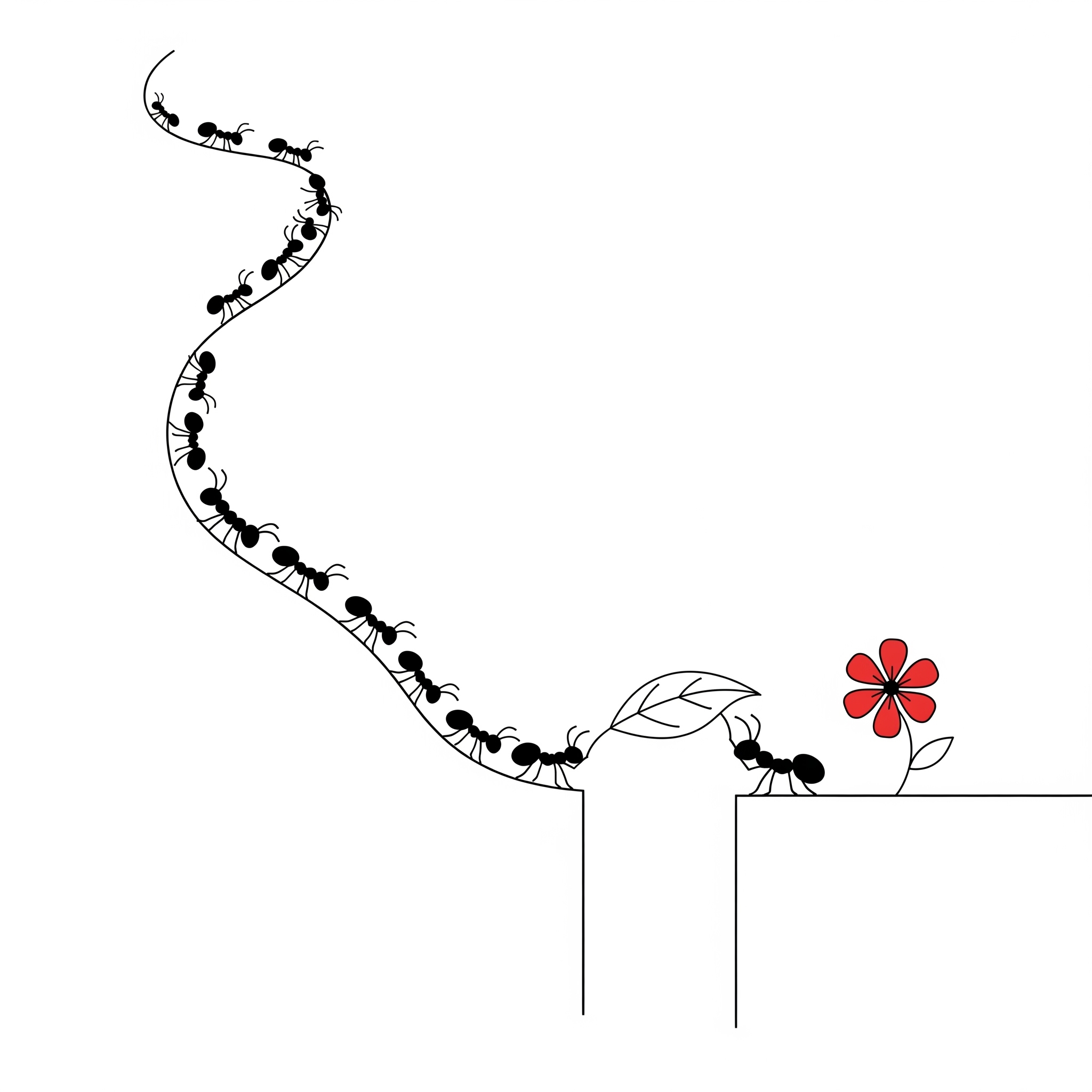
You don’t hand a child a detailed architectural blueprint to build a treehouse. You give them a pile of wood, a hammer, some nails and a safe space in the backyard. The result might be crooked. The value isn’t the finished product. It’s the process - the creativity, the problem-solving, the learning along the way.
This is how to think about innovation on your team. If your team is running at 100% capacity just to keep up with the roadmap, you have zero capacity for innovation. Skills stagnate. The product falls behind.
It’s more critical than ever in the age of AI. As AI tools get better at writing routine code, the most valuable human skills become creative problem-solving and high-level architectural thinking.
A team that isn’t given the space to develop these skills is being managed for obsolescence.
Google’s 20% time wasn’t a perk. It was a survival strategy.
How to supply the wood and nails:
-
Formally block non-roadmap time on the calendar. Fix-it Fridays. A dedicated hack day each sprint. An innovation week each quarter. An end-of-quarter hackathon. This time is sacred - defend it the way you defend your most critical production deadline.
-
Create a culture where experiments are encouraged, even if they fail. Frame these projects as data-gathering exercises, not pass/fail tests. The goal is to learn something new. That lowers the fear of failure, which is the biggest killer of innovation.
-
A tangible budget for books, online courses or conference tickets says something: learning is part of the job, not something you do on your own time. The investment pays back in new ideas and skills brought back to the team.
In the age of AI, giving your team treehouse time is the single best way to future-proof their careers and your business.
AI will automate much of the routine coding that junior engineers have traditionally used to build their skills.
If you don’t create space for them to learn in other ways, you’re actively creating a skills gap on your own team.
A team that is 100% focused on this quarter’s features is becoming less valuable with every sprint that passes.
This transforms your team from a short-term feature factory into a resilient, adaptive system built for the long haul.
Conclusion
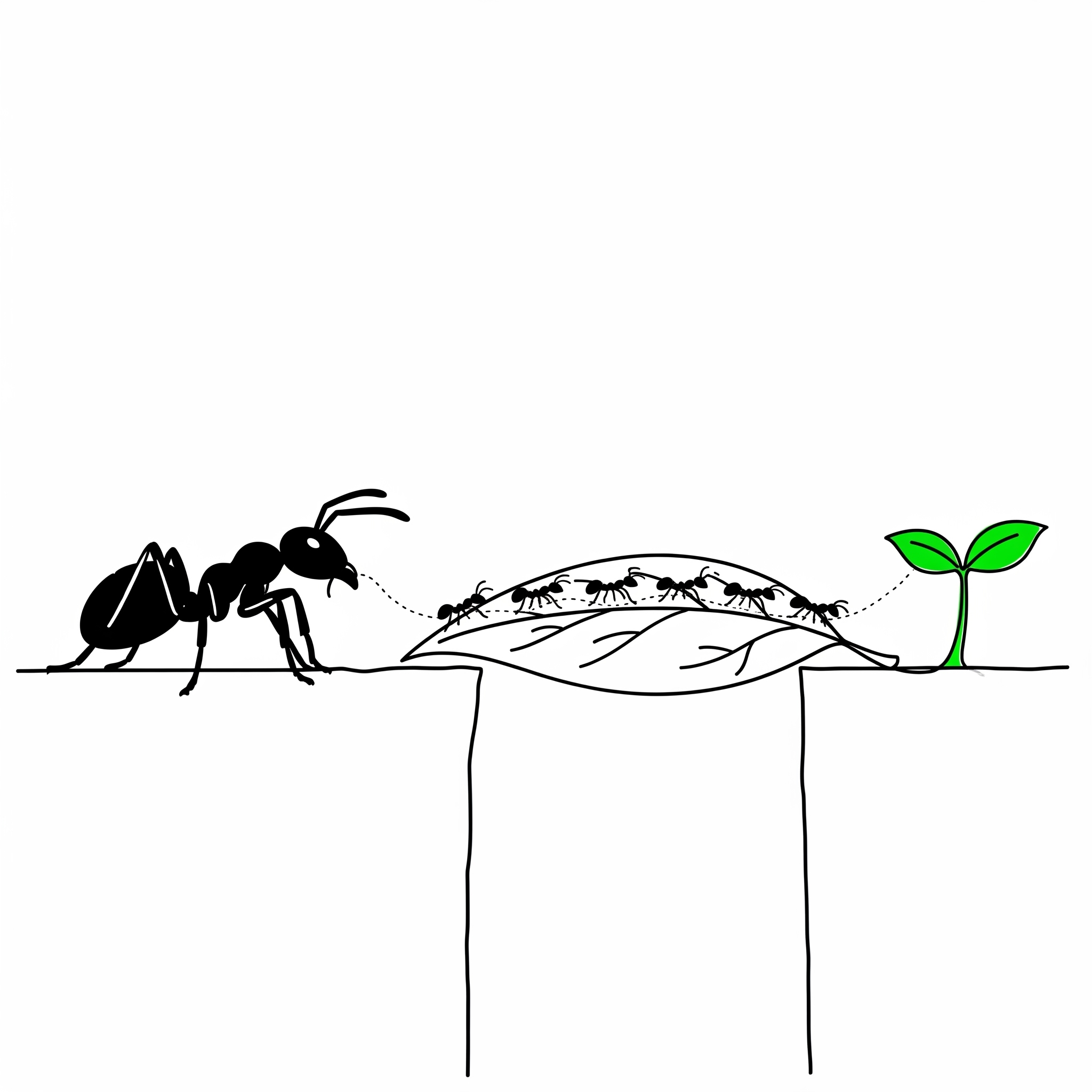
The five principles - Umbrella Parent, Patient Observation, Scrape Their Knees, Chore Chart, Building the Treehouse - are more than parenting analogies. They’re a practical framework for the deepest challenges in engineering leadership. Together they create an environment where talented people can do their best work.
You can’t have autonomy without psychological safety. You can’t remove blockers if you haven’t patiently diagnosed the real problems.
The fatherhood metaphor clarifies the true purpose of leadership. Good parenting isn’t optimizing for a perfect report card this semester. It’s raising a capable, resilient, independent human who will thrive long after you’re gone.
Engineering leadership is the same. It isn’t hitting this sprint’s velocity target at all costs. It’s building a capable, resilient, autonomous team that can solve tomorrow’s problems long after you’ve moved on.
It’s about building a legacy.
So the final question for every leader: are you managing for the next deadline or leading for the next decade?
Appendix 1
The Dad-Ops Playbook: At a Glance
| Fatherhood Principle | Core Management Concept | Key Leadership Action |
|---|---|---|
| Be the “Umbrella Parent” | Psychological Safety | Shield the team from organizational chaos and model rewarded vulnerability |
| The Art of Patient Observation | Active Listening & Patience | Use deep listening as a diagnostic tool before acting - cultivate patience to improve team outcomes |
| Let Them Scrape Their Knees | Empowered Autonomy | Delegate outcomes, not tasks - trust your team and treat failures as learning opportunities |
| The Chore Chart Principle | The Progress Principle | Structure work for small wins, remove blockers and consistently recognize progress |
| Building the Treehouse | Space for Innovation | Deliberately allocate time and resources for experimentation, learning and creative problem-solving |